
Unser Blog
Interessante Artikel und Videos rund ums Sprachen lernen. Die kostenlosen Lernhilfen von LbT-languages
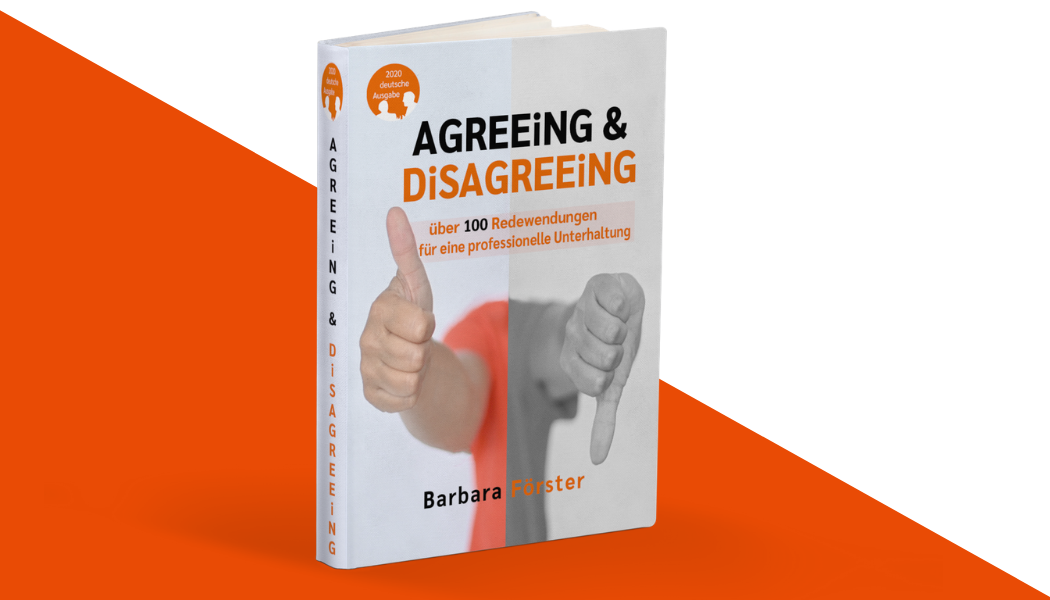
eBook Agreeing & Disagreeing
Barbara Förster, die Entwicklerin des weltweit einzigartigen Grammatiksystems und Inhaberin der Business Sprachschule LbT-languages, hat ein äußerst hilfreiches eBook mit dem Titel "Agreeing & Disagreeing" veröffentlicht. Während ihrer langjährigen Erfahrung im...
David’s VLog – Practice Tenses
BASICS Doing things in a slow, calm, and relaxed way is always good to practice. And good for your understanding. Hier erhältst du das 5-Column-System kostenlos zum DOWNLOAD Tenses Focus on the MOMENT with these three progressive tenses. ...
David’s Vlog – Pronunciation
Das passt nicht! Which word is the odd one out? Hier geht's zum 5 Column System>>>Aussprache!! Practice Tips If you need more help, ask me in the comments and I'll help you sound awesome Pronunciation Exercise Some important pronunciation...
David’s Vlog – Questions
Questions Tags Or? Don't you? Didn't you? Etc.... was ist richtig?? Use the Five Column System!Questions "Simple Present" Questions in simple present made easy! Use the Five Column System!Question Structure Questions can be EASY! Use the Five Column...
David’s Vlog – Grammar mistakes
4 common grammar mistakes 4 typical mistakes from German to English.5 common grammar mistakes Here are 5 mistakes we hear very often.EASTER Easter hat kein n am Ende. Es sei denn es soll östlich gehen BOW words Bow has tons of meanings. Did I miss any?OUGH words Some...
David’s VLog – much and many
MUCH or MANY Watch out for the plurals and non-plurals!MUCH and MANY You can never practice it too much!MUCH and MANY Looking at examples outside. How MUCH English did you speak yesterday? A bit? A little? A lot? 5 minutes? 8 hours?Much or many Try it out! It’s an...
David’s Vlog – SIMPLE GRAMMAR
SIMPLE Present Perfect vs Simple Past. Open vs closed times! Download the 5 Column SystemPart 4 - Simple Grammar Simple or progressive? Our 5 Column Grammar System helps you sort it all out. Download the 5 Column SystemPart 3 - Simple Grammar Did you are..? Did...
David’s VLog – Umweltfreundliche Grammatik
Das richtige tun = Do the right thing 🙂 Hier erhältst du das 5-Column-System kostenlos zum DOWNLOAD Wenn Sie immer das neuste „Tuesday Tip“ Video wöchentlich automatisch erhalten möchten, dann folgen Sie uns doch einfach auf unseren Social...
David’s VLog – Was bedeutet das?
Was bedeutet das? Simple question, but it's easy to make a common mistake. Hier erhältst du das 5-Column-System kostenlos zum DOWNLOAD Wenn Sie immer das neuste „Tuesday Tip“ Video wöchentlich automatisch erhalten möchten, dann folgen Sie...
David’s VLog – TIME
Time... Where does the TIME go in the sentence? Hier erhältst du das 5-Column-System kostenlos zum DOWNLOAD Wenn Sie immer das neuste „Tuesday Tip“ Video wöchentlich automatisch erhalten möchten, dann folgen Sie uns doch einfach auf unseren...
David’s VLog – PRESENT PERFECT
How have you been? It's a question I ask a lot, but many people don't understand it. How have you been lately?How have you been?How have you been recently?How have you been since we last met? Try these different versions the next time you see someone who you haven't...